How Small Businesses Can Rebuild Fast with Simple Steps That Work
Updated: May 25
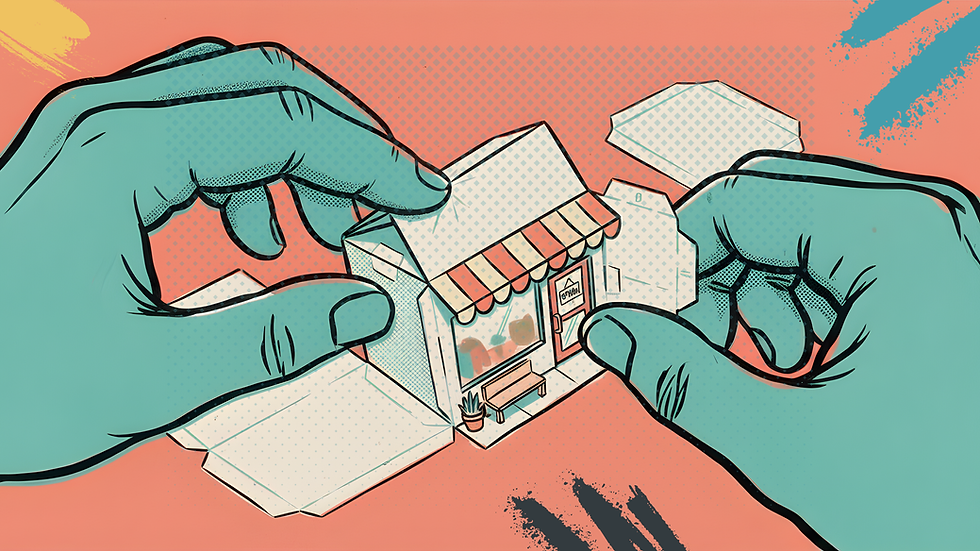
For local small business owners and solo marketers rebuilding a personal brand, the hardest part is often the gap between what worked before and what’s working now. Leads feel inconsistent, cash feels tight, and the to-do list keeps growing while family time and focus shrink. These business recovery challenges can make early-stage business rebuilding feel like starting over, even when the business has real proof it can succeed. Entrepreneurial resilience isn’t about pushing harder; it’s about choosing clear, realistic business turnaround strategies that restore stability and momentum.
Stabilize Fast: 5 Moves to Stop the Financial Bleeding
When you feel behind, the win isn’t a perfect plan, it’s getting stable enough to think clearly again. Use these moves to stop the leaks, protect your cash, and create the breathing room you need to rebuild.
Track cash daily (10 minutes, same time every day): Open a simple “cash dashboard” with four numbers: cash in bank, expected cash in next 7 days, bills due in next 7 days, and your biggest risk (one sentence). This works because most business stress is really cash-timing stress, daily visibility helps you make smaller decisions before they become emergencies. If you’re behind, add one rule: don’t approve any non-essential spend until it’s on the dashboard.
Cut and renegotiate costs in one focused sprint: Block 60–90 minutes and list your top 10 monthly expenses. For each, choose one action today: cancel, downgrade, pause, or renegotiate (ask for a temporary discount, a slower payment plan, or removing features you don’t use). Start with “silent drains” like subscriptions and services that renew automatically, small cuts stack fast and buy time for the bigger fixes.
Protect revenue by retaining customers first: Make a “save list” of your top 20 customers by revenue or repeat orders, then contact them personally within 48 hours. Ask three questions: What’s working? What’s frustrating? What would make you buy again sooner? If you sell on month-to-month terms, consider offering a small bonus for longer commitments, monthly rolling contracts churned at double the rate compared to annual or multi-year deals, so shifting even a few customers can steady your baseline.
Streamline operations with one-page workflows: Pick the most common activity that causes delays (fulfillment, onboarding, posting content, invoicing) and write a one-page checklist for “how we do it every time.” Include who owns the step, the deadline, and what “done” looks like to avoid rework; this is where simple process workflows can keep daily activity from turning into chaos. Once the checklist exists, your goal is consistency, not perfection.
Run a calm-leadership routine before big decisions: Under stress, speed feels productive but creates expensive mistakes. Use a 7-minute reset: 2 minutes of slow breathing (inner peace), 2 minutes to write the truth in plain words (humility, what you control vs. don’t), and 3 minutes to learn one thing (read one page of a guide, review one metric, or ask a mentor one question using calm leadership practices). Then make the decision and write the next action in your calendar, clarity is only useful if it becomes a scheduled step.
Review → Improve → Test → Repeat
A weekly rhythm keeps your rebuild from turning into random activity. Instead of chasing ten fixes at once, you review a few signals, make one visible improvement to your brand, then run one small experiment that can expand revenue. Over time, this creates compounding progress you can explain to yourself, your team, and your audience.
Stage | Action | Goal |
Collect signals | Pull 3 numbers: cash, sales, leads. Note one operational snag. | One-page snapshot of business health. |
Choose one priority | Pick the constraint that limits growth most this week. | Focus effort where it changes outcomes. |
Improve your presence | Update one asset: homepage, offer page, bio, or Google listing. | Clearer message and higher trust. |
Run a small test | Launch one experiment: upsell, bundle, referral ask, or new channel. | Learn what pays fastest with least risk. |
Reflect and schedule | Write what worked, what failed, and book next actions. | Momentum protected by calendar commitments. |
Rebuilding Your Business: Quick Questions Answered
Q: What’s the best place to start looking for small business financial assistance?
A: Start with programs you can verify and compare: SBA-backed lenders, local economic development offices, and reputable nonprofit lenders. The SBA is a useful hub because the loan guarantee total shows how much support flows through guarantees. Bring a one-page snapshot of revenue, expenses, and use of funds so you can apply faster.
Q: How do I choose rebuilding investments without wasting money?
A: Choose based on payback speed and proof, not hype. Prioritize one change that reduces friction for customers, like clearer pricing, stronger proof, or faster response time. Commit to a small test budget and a pass or fail metric before you spend.
Q: When should I update my brand versus fixing operations first?
A: Do the minimum operational fix that prevents repeat issues, then make one trust-building update customers can see. A tighter offer page, clearer service promise, or improved profile can lift conversions while you clean up the backend.
Q: What can I do when my motivation or confidence dips mid-rebuild?
A: Create a simple evidence bank so you are not relying on mood. The habit of keeping a positive feedback file gives you receipts of progress when your brain gets noisy. Then choose one 20-minute action you can finish today.
Q: Should I diversify revenue now, or wait until things stabilize?
A: Create a simple evidence bank so you are not relying on mood. The habit of keeping a positive feedback file gives you receipts of progress when your brain gets noisy. Then choose one 20-minute action you can finish today.
Fast Rebuild Checklist You Can Finish This Week
This checklist turns rebuild stress into visible progress by giving you a short set of actions you can measure. It also keeps your brand and operations aligned, especially when challenges managing cash flow compete for your attention.
Confirm your one-page money snapshot and weekly cash runway.
Compare two verified funding options and list required documents.
Set one customer-friction fix with a clear pass or fail metric.
Update one trust asset customers see first: offer page, profile, or promise.
Track daily outreach: five follow-ups, five reactivations, five referrals.
Build an evidence bank with three wins and three testimonials.
Test one low-risk add-on using a small budget and a deadline.
Finish one item today, then repeat tomorrow until momentum feels normal.
Build Business Momentum Through Small, Repeatable Recovery Steps
When sales dip, costs creep up, and attention gets scattered, rebuilding can feel like trying to sprint with a full backpack. The way through is a positive business mindset built on steady,
repeatable actions, simple check-ins, clear priorities, and follow-through that turns business recovery motivation into momentum. Stick with that approach and the small wins start stacking into a stronger small business growth outlook, backed by real numbers and calmer decisions. Small steps, repeated daily, rebuild a business faster than big plans delayed. Choose one checklist item and complete it within the next 24 hours, then repeat tomorrow. That’s how entrepreneurial hope becomes resilience, stability, and the kind of growth that lasts.